





Electra restarts construction at cobalt sulfate refinery
Electra Battery Materials Corporation has announced that construction has restarted at its cobalt sulfate refinery in Temiskaming Shores, following the arrangement of approximately $82 million in project financing.
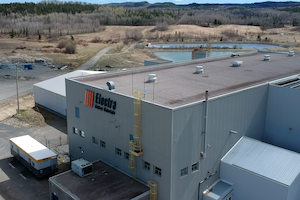 Once complete, the facility would become North America’s first cobalt sulfate refinery. It is designed to produce 6,500 tonnes of battery-grade cobalt annually – a critical input for North American defence and industrial applications.
“We have been building toward this moment for several years,” said Trent Mell, CEO. “Today, government support, private investment, and industrial policy are aligned to make completion of this refinery possible and to deliver a critical asset for North America. With the right team in place and a clear mandate, we are committed to driving this project through to completion. Once operational, this refinery will prove that midstream processing can be successfully onshored, creating a foundation for future growth.”
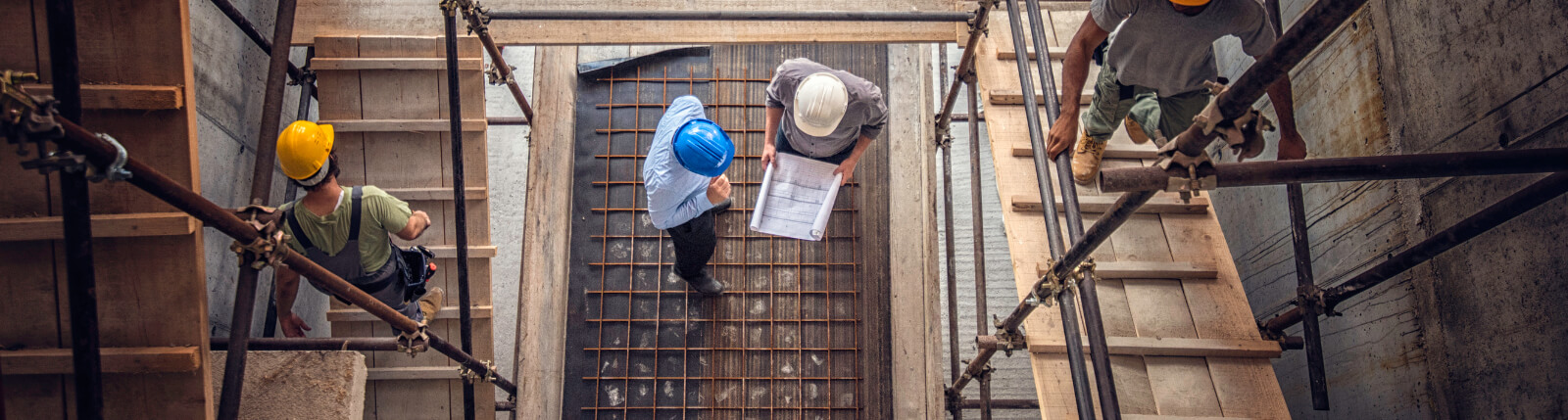
Electra has engaged EXP to provide construction management support for the construction reactivation. Work is now underway to advance site preparations, reinstate mechanical, electrical, and instrumentation systems, and maintain project momentum through the winter.
Key program activities now include finalizing detailed engineering; restarting piping, electrical and instrumentation work; issuing major mechanical, electrical, and instrumentation packages for tender; upgrading existing conveyor systems and electrical infrastructure to align with the updated design; advancing the project budget and schedule updates, and logistics planning to support full construction mobilization in early 2026; and site preparation activities.
Electra says the workforce is expected to increase substantially once major mechanical, electrical, and instrumentation contracts are awarded, adding that it is currently reviewing the construction schedule and capital estimates. In particular, it is updating its baseline estimate of US$60 million to reflect inflationary impacts and work already completed.