





Ontario commits $11M to build bridges and culverts along winter roads in the north
The Ontario government has announced it will invest nearly $11 million over the next two years to build and upgrade water-crossing infrastructure across the winter roads network in the North.
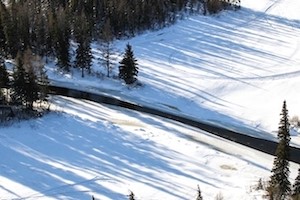 The funding comes from the province’s Winter Roads Program, Bridges and Culverts Stream. The funding will help remote and Indigenous communities access essential goods and services, connect to jobs and create economic opportunities.
“In remote northern communities, a reliable winter transportation network is key to boosting economic growth and connecting residents to the goods and services they need,” said Northern Economic Growth Minister George Pirie.
The Winter Roads Program, Bridges and Culverts Stream supports building water-crossing infrastructure such as installing culverts and modular bridges to improve safety across the entire winter roads network, and works towards extending the roads’ seasons.
As part of the investment, the government is providing:
- $4,127,962 to Wawakapewin First Nation to complete designs, purchase and install four modular bridges at water crossings on the winter road that connects Kasabonika Lake First Nation and Wawakapewin First Nation,
- $3,191,190 to Windigo First Nations Council to buy and install two modular bridges at the Meen River and Dobie River crossing sites on the Cat Lake - Pickle Lake winter road network,
- $2,909,394 to Matawa First Nations Management for upgrades to the Matawa 808 winter road network, which includes installing two bridges on the Eabametoong and Nibinamik winter roads and performing technical studies required for future bridge installations on the Webequie, Nibinamik and Eabametoong winter roads,
- $307,857 to Neskantaga First Nation to install 15 cross-drainage culverts along the Otoskwin River Road to reduce flooding and make it easier to access the Otoskwin River crossing site, and
- $250,000 to Windigo First Nations Council to finish engineering and geotechnical work, enabling the future installation of water crossing infrastructure on the Four First Nations Group winter road network.
This investment is in addition to the $8 million the government has already provided through the Winter Roads Program to help 32 remote First Nation communities and the Town of Moosonee build and operate approximately 3,200 kilometres of temporary winter roads.
“Improving the safety and reliability of winter roads, especially spanning the far North, remains essential to supporting First Nations communities,” said Indigenous Affairs Minister Greg Rickford.
At 3,200 kilometres, Ontario’s winter roads network is the longest in Canada. The network serves a population of approximately 24,000 across 32 remote Indigenous communities and the Town of Moosonee. Typically, these roads are open for approximately six to 11 weeks per year, from late January until the end of March.